
1. Executive Summary
KittySpout is an emerging Direct-to-Consumer (DTC) e-commerce brand operating within the highly lucrative and rapidly expanding pet care and pet technology market. Specifically targeting feline owners, the brand focuses on solving a fundamental, often overlooked aspect of pet health: proper hydration. Felines are notoriously poor drinkers, which frequently leads to severe urinary tract infections (UTIs) and kidney disease. KittySpout addresses this pain point by designing, manufacturing, and distributing specialized smart water fountains, primarily constructed from high-grade stainless steel.
This comprehensive report provides an in-depth analysis of the KittySpout project. It evaluates the brand’s product ecosystem—anchored by its flagship Wireless Fountain 2.0—its business model, marketing strategies, user experience (UX), and overall market positioning. By leveraging psychological pricing, bundled offers, social proof, and veterinary endorsements, KittySpout has engineered a highly optimized sales funnel designed to maximize Average Order Value (AOV) and Customer Lifetime Value (CLTV).
Core Value Proposition: At its core, KittySpout is not merely selling a water bowl; it is selling “peace of mind” to pet parents. By emphasizing health benefits, veterinary recommendations, and aesthetic appeal (via colored stainless steel), the brand effectively transitions its product from a functional utility to an essential wellness device for pets.
2. The Pet Tech Market & The Hydration Problem
2.1 Industry Context The global pet care market has experienced unprecedented growth over the last decade, transitioning from a niche industry into a multi-billion-dollar juggernaut. A significant driver of this growth is the “humanization of pets.” Pet owners increasingly view their cats and dogs as family members, demonstrating a willingness to spend premium prices on organic food, specialized healthcare, and advanced pet technology. Pet tech, which includes automated feeders, smart toys, GPS trackers, and smart hydration systems, is one of the fastest-growing sub-sectors.
2.2 The Biological Need: Feline Hydration To understand KittySpout’s market fit, one must understand the biological quirk of domestic cats. Ancestrally originating from desert environments, felines have a low thirst drive. In the wild, they obtain the majority of their moisture from their prey. However, modern domestic cats primarily consume dry kibble, leading to chronic mild dehydration. This condition is a leading cause of feline lower urinary tract disease (FLUTD) and chronic kidney disease (CKD).
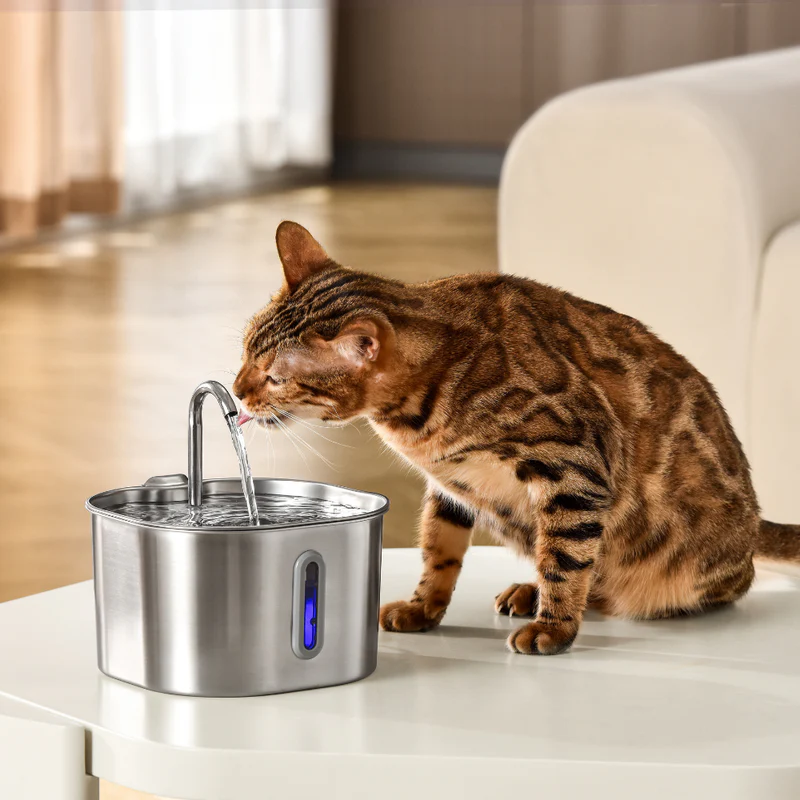
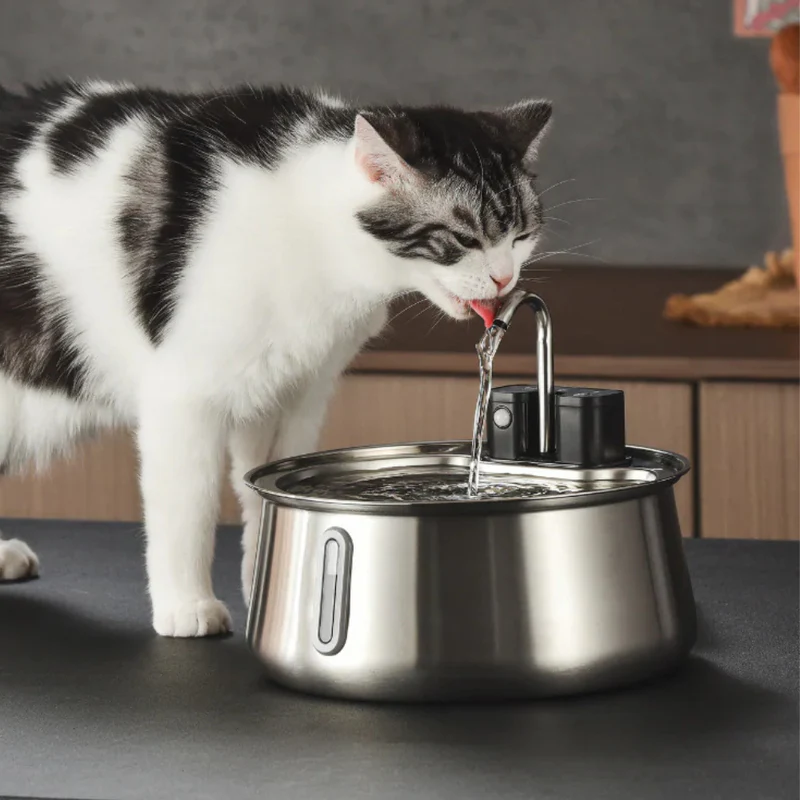
Veterinarians have long recommended moving water sources (fountains) to encourage cats to drink, as instinct tells them that stagnant water is unsafe. However, traditional plastic fountains present their own issues: they harbor bacteria, cause “feline acne” on the chin, and require constant proximity to electrical outlets. KittySpout strategically positions its products at the intersection of these two problems: encouraging hydration through flowing water while eliminating the hazards of plastic and tethered cords.
3. Deep Dive into KittySpout’s Product Ecosystem
A successful DTC brand requires a cohesive product ecosystem that not only attracts initial buyers but creates recurring revenue streams. KittySpout has structured its offerings meticulously.
3.1 The Flagship: Wireless Fountain 2.0 The KittySpout™ – Wireless Fountain 2.0 is the brand’s primary acquisition driver. Its key selling points are clearly defined:
-
Wireless Technology: By integrating a rechargeable battery, the fountain can be placed anywhere in the home without dangerous trailing cords. This is crucial for aesthetics and safety, as cats often chew on electrical wires.
-
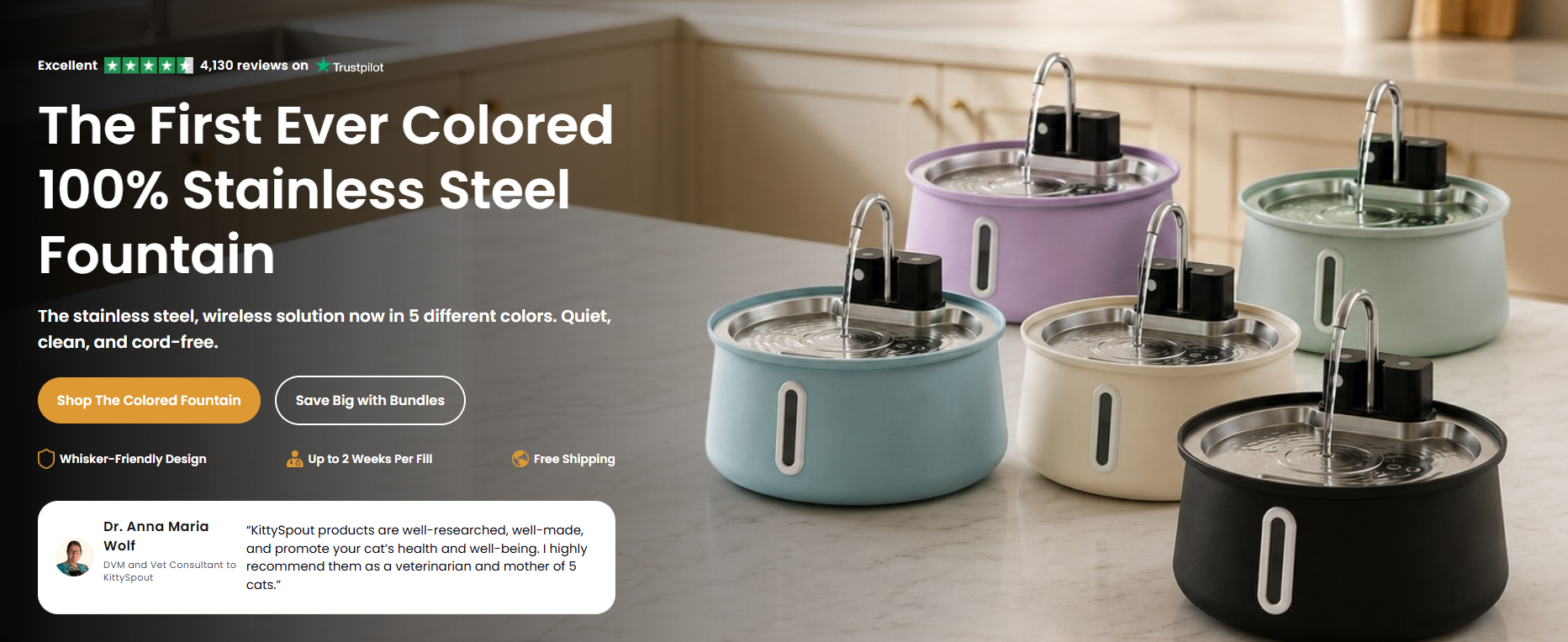
Colored Stainless Steel: Moving away from the clinical look of raw stainless steel, KittySpout has introduced colored variants. This appeals to interior design-conscious millennials and Gen Z pet owners who want pet accessories to match their home decor.
-
Sensor Activation: Many smart fountains utilize motion sensors to dispense water only when the cat approaches, preserving battery life and keeping the water dynamic.
3.2 Supporting Hardware: 2.2L Fountain and Original Models KittySpout maintains a tiered pricing strategy by offering variations like the 2.2L Fountain (marketed as the most compact option) and the Original Wireless Fountain. This multi-tiered approach caters to different budget segments and spatial requirements. A customer unwilling to pay the premium for the 2.0 version still has viable, high-quality alternatives within the brand’s ecosystem.
3.3 The Subscription Engine: Filters and Maintenance The true genius of the water fountain business model lies in consumables. KittySpout emphasizes that its filters “Remove 99% of impurities.” Like the printer-and-ink or razor-and-blade business models, the fountain is the initial investment, but the Replacement Filters generate long-term recurring revenue. By pushing multi-month kits and stainless steel replacement parts, KittySpout ensures that customer acquisition costs (CAC) are recouped multifold over the customer’s lifespan.
3.4 Expanding the Basket: Supplements, Feeders & Toys Beyond hydration, KittySpout has expanded its catalog into adjacent categories. By offering supplements, feeders, and toys, they transform from a “single-product store” into a comprehensive “feline wellness brand.” The Health & Happiness Cat Kit is a prime example of bundling these distinct categories into a single, high-ticket purchase.
4. Business Model & E-commerce Strategy
KittySpout’s website is a masterclass in modern e-commerce optimization. Every element is designed to reduce friction, increase urgency, and maximize the average order value.
4.1 Pricing Strategy and Anchoring The brand heavily utilizes Price Anchoring and Discount Psychology. For example, the Wireless Fountain 2.0 is listed at $74.95, but it is visually anchored against a struck-through price of $148.95 (a 49% saving). By presenting the original price as exorbitant, the discounted price feels like an irresistible bargain, triggering impulsive buying behavior.
4.2 Bundling & Upselling Funnels A prominent banner on their site reads: “Save Big with Bundles – Up to 60% Off + 5 Free Gifts!”. Bundling serves multiple strategic purposes:
-
It increases the AOV significantly.
-
It introduces the customer to products they wouldn’t have bought individually (e.g., supplements or specific toys).
-
The “Free Gifts” act as a powerful psychological trigger based on reciprocity and perceived immense value.
4.3 Trust Signals and Risk Reversal Selling health-related items online requires overcoming a massive trust deficit. KittySpout combats this through three distinct pillars prominently displayed on their storefront:
-
“Veterinarian Recommended”: This provides immediate authority and validates the health claims regarding UTI prevention.
-
“365 Day Guarantee”: A bold risk-reversal strategy. By offering a full year guarantee, they completely eliminate the buyer’s remorse friction. Statistics show that ultra-long guarantees actually reduce return rates because the urgency to return a product diminishes.
-
“Join VIP Cat Club (Facebook)”: By showcasing a community, they provide social proof that thousands of other cat parents trust their brand.
5. Marketing, Branding, and Customer Acquisition
5.1 Social Media and Influencer Marketing KittySpout’s primary traffic drivers appear to be visual social media platforms: Instagram, Facebook, and YouTube. For a product like a water fountain, dynamic visual content is required. High-quality GIFs (evident from their transparent moving logo and image assets) and video ads showing cats happily drinking from the fountain are essential. They likely rely heavily on User-Generated Content (UGC) and micro-influencers in the pet niche to demonstrate authenticity.
5.2 The “Get $15” Referral Loop The inclusion of a “Get $15” page indicates a robust referral marketing program. By turning their existing satisfied customer base into micro-affiliates, KittySpout drastically lowers their Customer Acquisition Cost (CAC) while simultaneously building fierce brand loyalty.
6. SWOT Analysis
Strengths:
-
Strong niche positioning (Feline health).
-
High-quality, safe materials (Stainless Steel).
-
Innovative wireless functionality.
-
Recurring revenue via filter replacements.
-
Excellent use of e-commerce psychological triggers.
Weaknesses:
-
Heavy reliance on steep discounts (brand equity risk).
-
Potential high manufacturing/shipping costs due to metal components.
-
Risk of single-product dependency if the market saturates.
Opportunities:
-
B2B Expansion: Wholesaling to vet clinics and boutique pet stores.
-
Subscription Boxes: Automated monthly filter & supplement deliveries.
-
Geographic expansion to international markets.
Threats:
-
Cheap knock-offs flooding Amazon and Temu/AliExpress.
-
Supply chain disruptions (battery and metal sourcing).
-
Changes in digital advertising costs (Meta/Google Ad algorithms).
7. Technological & Web Interface Evaluation
From a technical standpoint, the website utilizes Shopify’s robust infrastructure, evident from the CDN links and applications like Rebuy Engine.
The use of the Rebuy Engine is particularly noteworthy. Rebuy is an AI-driven personalization and upselling tool. It suggests intelligent add-ons in the cart or checkout phase based on the user’s browsing behavior. This confirms that KittySpout is running a highly sophisticated, data-driven backend designed to squeeze maximum value out of every single web visitor. The mobile-responsive design, fast-loading WebP imagery, and clean navigation UI indicate a brand that understands the modern “mobile-first” consumer.
8. Strategic Recommendations for KittySpout
While the project is evidently well-structured, to ensure long-term sustainability and defensibility against cheap competitors, KittySpout should consider the following strategic moves:
-
Transition to Automated Subscriptions: While they sell filter bundles, implementing a strict “Subscribe & Save” model for filters and supplements will stabilize cash flow and dramatically increase CLTV. Pet parents value convenience; automating the arrival of filters ensures the fountain is maintained without mental effort from the owner.
-
Content Marketing & SEO: The presence of a “Blog” is good, but it should be heavily optimized for long-tail SEO keywords like “Why is my cat not drinking water?” or “Signs of UTI in male cats.” By ranking organically for these distress queries, KittySpout can acquire high-intent customers for free.
-
Veterinary Partnerships: Transitioning the “Veterinarian Recommended” badge from a mere marketing slogan to a formalized B2B affiliate program. Providing vet clinics with display models and affiliate codes could open a highly trusted, lucrative acquisition channel.
-
Brand Premiumization: Continuously running “60% off” sales can eventually erode brand trust, making the product look cheap. KittySpout should gradually transition toward value-added marketing (emphasizing the tech and health benefits) rather than relying purely on massive discount anchoring.
9. Conclusion
The KittySpout project represents a highly polished, strategically sound Direct-to-Consumer brand. By identifying a genuine biological issue in domestic felines (dehydration) and addressing the flaws of traditional solutions (plastic, cords), they have created a highly marketable hero product in the Wireless Fountain 2.0.
Their mastery of e-commerce mechanics—from bundling and AI-driven upselling to risk reversal and social proof—positions them strongly in the competitive pet tech landscape. If they can successfully defend their IP against low-cost imitators and transition their customer base into long-term subscribers for consumables, KittySpout has the potential to become a dominant, household name in feline wellness.